Emergency Electrical Repairs: What to Do When Power Problems Strike
- Robert James
- Apr 16
- 4 min read

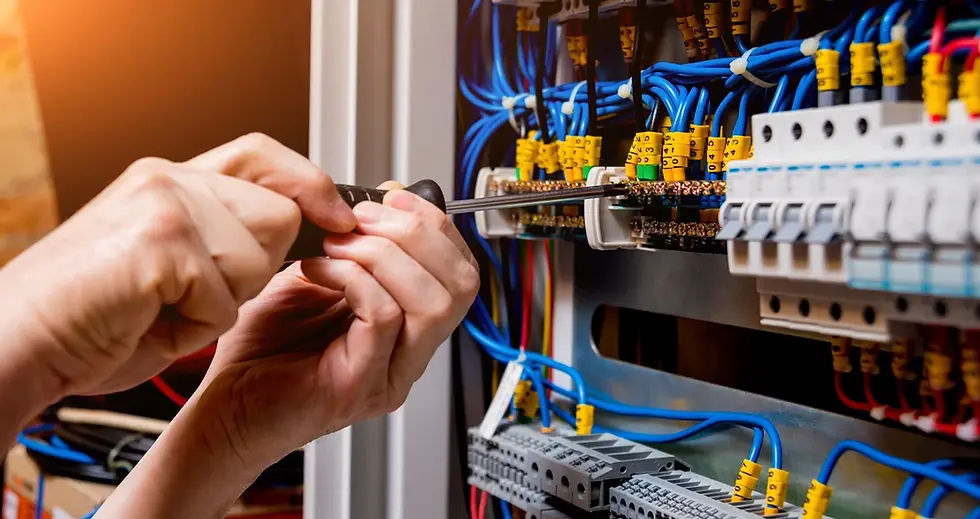
Electricity is a big part of daily life. From lighting to appliances, everything depends on a safe and stable power supply. But sometimes, problems happen without warning. Sparks, burning smells, power outages, or faulty wiring can turn into serious risks if ignored. This is where emergency electrical repairs become important.
This guide explains what counts as an electrical emergency, what steps you can take, and when to call a professional. The goal is to help you stay safe and make informed decisions.
What Are Emergency Electrical Repairs
Emergency electrical repairs are urgent fixes needed to prevent danger, damage, or loss of power. These issues cannot wait because they may lead to fire, electric shock, or complete system failure.
Some problems may look small at first, but they can grow quickly. For example, a flickering light could be a sign of loose wiring or overloaded circuits. Ignoring it may cause bigger damage later.
Common Signs of Electrical Emergencies
Knowing the warning signs can help you act quickly. Here are some common signals that need immediate attention:
Burning smell coming from outlets or switches
Sparks or smoke near electrical points
Frequent circuit breaker trips
Power outage in only part of your home
Exposed or damaged wires
Buzzing sounds from panels or outlets
If you notice any of these, treat the situation seriously. Do not try to fix complex issues on your own.
Why Quick Action Matters
Electrical problems can become dangerous in a short time. A small fault can lead to fire hazards or serious injuries. Quick action helps reduce the risk and protects your home and family.
Delays can also increase repair costs. What starts as a minor issue may turn into a major repair if ignored. Acting early saves time, money, and stress.
What to Do During an Electrical Emergency
When facing an electrical issue, your safety should always come first. Follow these steps to reduce risk:
Turn off the main power supply if it is safe to do so
Keep a safe distance from the affected area
Do not touch exposed wires or wet surfaces near electricity
Unplug nearby appliances if possible
Call a qualified electrician right away
These simple steps can prevent further damage while you wait for professional help.
Causes of Emergency Electrical Problems
Electrical issues can happen for many reasons. Some are due to aging systems, while others are caused by daily use or poor installation.
Old Wiring
Homes with outdated wiring systems often face problems. Wires can wear out over time, leading to short circuits or overheating.
Overloaded Circuits
Plugging too many devices into one outlet can overload the system. This puts stress on the wiring and may cause breakers to trip.
Water Damage
Water and electricity are a dangerous mix. Floods, leaks, or high humidity can damage electrical systems and create safety risks.
Faulty Appliances
Damaged or low quality appliances can cause electrical faults. They may draw too much power or create short circuits.
Poor Installation
Improper electrical work can lead to long term issues. Loose connections and wrong wiring methods often result in emergencies.
When to Call a Professional Electrician
Some minor issues like replacing a light bulb are easy to handle. But most electrical problems need expert care. Call a professional when you notice anything unusual or unsafe.
Licensed electricians have the training and tools to fix issues correctly. They follow safety standards and ensure your system works properly. Trying to fix complex problems without knowledge can be risky.
How Professionals Handle Emergency Repairs
Experienced electricians follow a clear process. First, they inspect the problem to find the root cause. Then, they take steps to make the area safe. After that, they repair or replace faulty parts.
They may also check the whole system to prevent future issues. This approach ensures both immediate safety and long term reliability.
Tips to Prevent Electrical Emergencies
Prevention is always better than repair. Regular care and safe habits can reduce the chance of sudden problems.
Here are some simple tips to keep your system safe:
Schedule regular electrical inspections
Avoid overloading outlets
Replace damaged cords and plugs
Keep electrical areas dry and clean
Use quality appliances and equipment
Taking these steps can help you avoid costly repairs and keep your home safe.
Importance of Regular Maintenance
Regular maintenance helps detect problems early. Electricians can spot worn out wires, loose connections, or outdated systems before they fail.
This not only improves safety but also increases the efficiency of your electrical system. A well maintained system uses power more effectively and lasts longer.
Safety Tips for Homeowners
Electricity should always be handled with care. Even small mistakes can lead to serious outcomes. Teach your family basic safety rules, especially children.
Never insert objects into outlets. Avoid using damaged cords. Keep water away from electrical devices. These habits may seem simple, but they make a big difference.
Final Thoughts
Emergency electrical repairs are not something to ignore. Quick action and the right help can protect your home and loved ones. Always stay alert to warning signs and do not take risks with electricity.
If you ever face a serious issue, reaching out to a trusted service provider like Sam’s Handyman Services can give you peace of mind and ensure the job is done safely and correctly.


Comments